Are polyurethane hoses flexible?
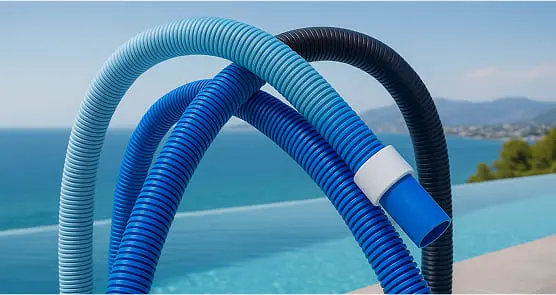
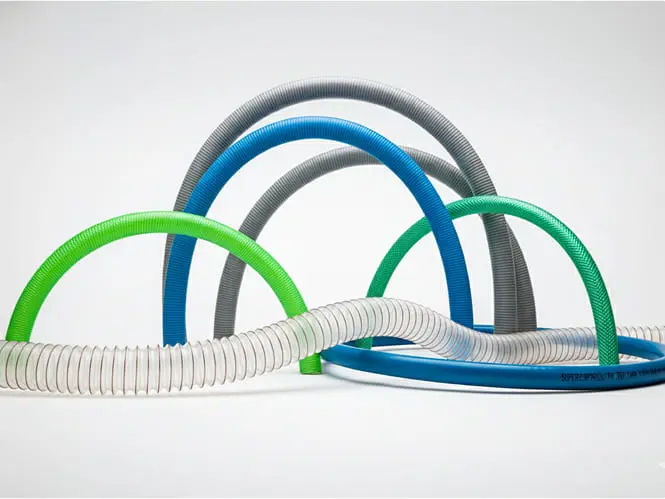
Yes. PU hoses are highly flexible, even at low temperatures. This makes them easy to install and suitable for dynamic applications or environments involving continuous movement.
Are they resistant to abrasion, punctures and chemicals?
Yes. Polyurethane offers excellent resistance to abrasion and punctures, outperforming materials such as PVC in this respect. It also provides good chemical resistance, although performance depends on the specific substance involved.
How resistant are they to twisting?
PU hoses offer good resistance to twisting, especially models with spiral reinforcement. This helps prevent deformation and ensures a consistent flow of material.
Are these hoses safe to use?
Yes, provided they are used correctly. Food-grade and antistatic versions are also available, designed to comply with specific regulations depending on the application.
What temperatures can PU hoses withstand?
They generally withstand temperatures ranging from approximately -40 °C to +90 °C, although this may vary depending on the type of polyurethane and the hose design.
What is the difference between ether-based and ester-based PU hoses?
- Ether-based PU: greater resistance to hydrolysis, moisture and microorganisms, making it ideal for humid or outdoor environments.
- Ester-based PU: better mechanical and abrasion resistance, making it more suitable for demanding industrial applications involving intensive wear.