
PVC hoses for chemical products
When handling chemicals, safety and reliability are crucial. Espiroflex PVC hoses are designed to resist corrosion and the effects of aggressive chemicals, ensuring safe and efficient transfer. Rely on our hoses to protect your work environment and keep your operations running smoothly, ensuring maximum safety and performance.

Filtrar
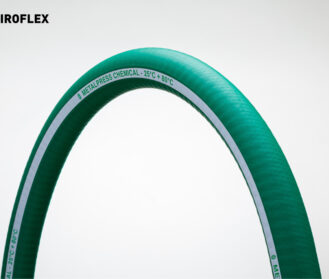
Hoses for the Conveyance and Transfer of Chemicals
Transporting chemicals requires hoses suited to both the fluid being conveyed and the operating conditions of each installation. Compatibility between the chemical product and the hose materials is a key factor when selecting the right solution.
At Espiroflex, we offer technical hoses for different conveying, discharge, suction and fluid transfer processes in industrial applications.Solutions for Different Chemical Industry Processes
Fluid transfer requirements can vary significantly from one process to another. Factors such as the type and concentration of the chemical, temperature, working pressure and installation conditions all influence hose selection. For this reason, it is important to review the technical specifications of each model and choose a solution specifically suited to the intended operating conditions.Chemical Resistance and Operating Conditions
The chemical resistance of a hose depends on several variables and should not be assessed solely on the basis of its manufacturing material. Product concentration, temperature, contact time and pressure conditions can all affect performance. In addition to chemical compatibility, certain applications may also require consideration of properties such as flexibility, mechanical resistance, vacuum rating or abrasion resistance.How to Choose a Hose for Chemical Products
When selecting a hose for chemical transfer, the first step is to identify the fluid and its concentration. Working temperature and pressure, required diameter and whether the application involves suction or discharge should then be considered. The final choice should always be based on the technical specifications of the hose and its compatibility with the product being conveyed.Frequently Asked Questions About Chemical Hoses
What hose should be used to transport chemicals?
The hose should be selected specifically according to the chemical being conveyed, its concentration, temperature, working pressure and the characteristics of the installation. Not all hoses are compatible with all chemical products.How can I tell whether a hose is resistant to a specific chemical?
The compatibility of the hose material with the specific chemical and operating conditions must be checked. Factors such as concentration, temperature and contact time can affect chemical resistance.What factors should be considered when choosing a chemical hose?
The main factors include the type and concentration of the product being conveyed, temperature, working pressure or vacuum, diameter, required flexibility and the specific characteristics of the installation.Can hoses be used for chemical suction applications?
Yes. Some hoses are suitable for the suction of certain chemical products. Both chemical compatibility and the vacuum rating of the selected model should be checked.Is a chemical-resistant hose suitable for any substance?
No. Resistance to certain chemical agents does not mean universal compatibility. The hose specifications should be checked for each substance and set of operating conditions.Does temperature affect the chemical resistance of a hose?
Yes. Temperature can affect how materials behave when exposed to certain chemicals. For this reason, compatibility should be assessed by considering the fluid, its concentration and the operating temperature together.Get to know our extensive catalog with more than 4000 references in technical hoses for all sectors.
Catalog
Other sectors